Queens Park waste duty of care explained for landlords and trades
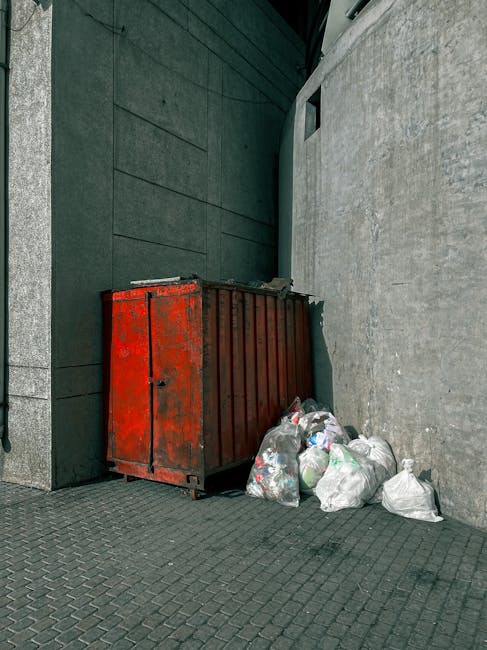
If you manage rentals, renovate properties, or work in the trade day in, day out, waste is never just "rubbish". In Queens Park, the duty of care attached to waste is one of those things that can quietly cause expensive trouble if you ignore it. This guide gives you a plain-English explanation of Queens Park waste duty of care explained for landlords and trades, with practical steps, common mistakes, and a clear way to stay on the right side of good practice.
Whether you are a landlord clearing a flat after a tenancy, a builder stripping out a kitchen, or a plumber leaving a trail of packaging and offcuts, the basic question is the same: who is responsible for the waste until it is properly handled? Short answer: you are responsible for making sure it is stored, transferred, and removed safely. Not glamorous, but very real.
This article covers what duty of care means, how it works in practice, what records and checks matter, and how to make waste management simpler without creating headaches for yourself or your client. You will also find a checklist, a comparison table, and a realistic example from a typical Queens Park job.
Why Queens Park waste duty of care explained for landlords and trades Matters
Duty of care sounds like legal jargon, but in practice it is a straightforward idea: if you produce, store, carry, or hand over waste, you need to take reasonable steps to make sure it is managed properly. For landlords and trades in Queens Park, that matters because waste can build up quickly, especially during refurbishments, end-of-tenancy clearances, or repeat maintenance visits.
A landlord might only deal with waste a few times a year, but the risk is still there. Old furniture left in a basement, broken fixtures on a pavement, plasterboard in a communal hallway, or mixed rubble outside a terrace can all create problems fast. And for trades, the pressure is even more immediate. You finish a job, the client wants the place tidy, and the clock is already on the next site. Easy enough to say "we'll sort it later". Then later becomes a fine, a complaint, or an awkward call from the managing agent.
In local residential streets, waste can be especially visible. That means any poor handling is noticed quickly by neighbours, tenants, and passers-by. A bag split open in the rain on a Friday afternoon? You can almost picture it. It is not just messy; it can attract complaints and suggest poor site control.
For businesses trying to keep standards high, good waste practice is also part of reputation. Landlords want reliable contractors. Trades want repeat work. Clean waste handling is one of those quiet signals that tells people you are organised and trustworthy. To be fair, it does more than that. It reduces risk, saves time, and makes jobs run smoother.
Expert summary: The duty of care is really about control. Know what waste you have, keep it secure, pass it to the right people, and keep enough records to show you did things properly.
How Queens Park waste duty of care explained for landlords and trades Works
The duty of care applies across the waste chain. If you are a landlord, contractor, facilities manager, or tradesperson, you are expected to stop waste from becoming a hazard or being passed to someone who cannot deal with it properly. That includes waste from repairs, clearances, office moves, minor refurbishments, and garden work.
Here is the practical version. First, waste should be separated where possible. Then it should be stored safely so it does not leak, blow away, or obstruct access. Next, if it is being taken off-site, you should use a suitable carrier and keep details of the transfer. If you are using a clearance team, waste removal company, or skip provider, you need confidence that they are authorised to handle the material they are taking.
For trades, this often means managing mixed waste from the job: timber, metal, tiles, packaging, old fittings, and general construction debris. For landlords, it is often more varied: broken furniture, soft furnishings, white goods, tenant left-behind items, and sometimes loft or garage clutter. Those jobs can be more unpredictable, which is why planning matters.
A practical example: a landlord clears a one-bedroom flat after a tenant leaves behind furniture, food waste, and a dismantled wardrobe. The landlord arranges removal, but if the waste is handed to an unsuitable collector, the landlord can still end up explaining what happened. The handover itself is the key moment. That is where the duty of care is won or lost.
It also helps to think in layers:
- Identify the waste type.
- Store it safely and separately if needed.
- Transfer it to the right person or company.
- Record the handover.
- Review whether the arrangement actually worked well.
If you want a service that keeps the process simple, a general waste removal service can be a practical starting point, while larger landlord or commercial clearances may be better handled through business waste removal or more specific services such as builders waste clearance.
Key Benefits and Practical Advantages
Doing duty of care well is not just about avoiding trouble. There are some very real, day-to-day benefits for landlords and trades.
- Fewer call-backs: A tidy site or cleared property means fewer issues after the work is finished.
- Lower risk of disputes: Clear waste handling reduces arguments about who left what behind.
- Better tenant relationships: Tenants notice when a landlord manages work cleanly and respectfully.
- Cleaner handovers: Estate agents, managing agents, and clients tend to be happier when everything is left neat.
- Less chance of fly-tipping fallout: If waste is dumped illegally after you hand it over, your records help show you acted responsibly.
- More efficient jobs: Trade teams move faster when waste is sorted as they go rather than piled up at the end.
There is another benefit people sometimes miss: it improves the feel of the job itself. A site with controlled waste usually runs calmer. Less clutter, less confusion, less that sinking feeling when you open a back room and realise everything has been dumped in one corner. We have all seen that moment.
If the job involves bulky items from a tenancy or property refurb, the right supporting service matters too. For example, a landlord clearing a rental after a long tenancy may need house clearance, while a flat above a shop may be better suited to flat clearance. When the waste is mostly old tables, wardrobes, or damaged seating, furniture clearance or furniture disposal can make the process much more efficient.
Who This Is For and When It Makes Sense
This topic is relevant to more people than you might think. Duty of care is not only for large contractors with vans and branded jackets. It matters to anyone who produces or manages waste as part of a property or trade activity.
Landlords and letting agents
If you clear properties between tenancies, arrange repairs, or oversee end-of-tenancy cleanouts, you need a simple process for waste handling. That includes left-behind furniture, broken appliances, bags of household waste, and items from lofts, garages, or gardens. A landlord in Queens Park may also need to coordinate access carefully in shared buildings, which adds another layer of planning.
Builders, decorators, and refurb trades
Trades generate waste daily. Some of it is predictable, some of it is not. One day it is plasterboard and timber offcuts; the next, it is tiles, packaging, protective coverings, and damaged fixtures. The smarter approach is to treat waste as part of the job, not something to "sort out at the end".
Small business owners and property managers
If you oversee offices, serviced spaces, or commercial units, duty of care still applies. Even a modest office clear-out produces electronic items, paperwork, furniture, and mixed rubbish. In those cases, an office clearance or business waste removal approach may fit better than ad hoc disposal.
When it makes sense to act early
It makes sense to get organised before the waste builds up. If there is a move-out date, a snagging deadline, or a weather-sensitive project, don't wait until items are blocking access or sitting in the rain. That is when mistakes happen. And honestly, it is usually when people panic and ring around for the first available option.
Step-by-Step Guidance
Here is a simple process you can use for most landlord and trade jobs in Queens Park. It keeps things practical without overcomplicating the job.
- Identify the waste stream. Decide whether it is mixed household waste, construction waste, furniture, green waste, or something more specialised.
- Separate what can be separated. Keep recyclable materials apart where possible. It helps with handling and can reduce unnecessary mixing.
- Store it safely on site. Use a sensible location that does not block exits, create trip hazards, or upset neighbours.
- Choose the right removal route. Use a clearance or removal service that suits the job size and waste type.
- Ask the right questions. Who is collecting it? What happens to it next? Can they handle the volume and type of waste involved?
- Keep a record. Save invoices, collection details, and any transfer information you receive. If a dispute comes up later, that paperwork matters.
- Check the site after removal. Make sure no sharp debris, nails, broken glass, or loose materials remain.
For jobs with more outdoor waste, such as overgrown gardens after a tenancy or a rear-yard tidy-up, garden clearance can be a better fit. If the project includes a garage full of old tools, cardboard, and broken bits of everything, garage clearance is often the calmer option.
And if you are dealing with waste after construction or refurbishment, that deserves its own process. Builders' waste can be heavy, dusty, and awkward to move. It is not the kind of thing to leave piling up by the front path, where everyone has to squeeze past it in the morning.
Expert Tips for Better Results
Over time, the jobs that go smoothly usually share a few habits. Nothing fancy. Just small decisions that prevent mess later.
- Use a pre-job waste plan. Even a quick note on where waste will be stored saves time later.
- Photograph the site before and after. Useful for landlords, managing agents, and trades when there is any dispute.
- Don't mix everything by default. Mixed waste is convenient in the moment, but it can make disposal more awkward and costly.
- Keep access clear. Hallways, stairwells, and shared entrances need extra care, especially in flats.
- Schedule waste pickup early. Leaving clearance to the last minute often creates avoidable stress.
- Protect soft furnishings and floors. That tiny extra bit of care saves complaints and damage claims.
A small but useful habit: set aside a "waste exit point" on site. It might be the back of the building, a safe loading bay, or a clearly marked section of the driveway. It sounds obvious, but when the job gets busy and the tea has gone cold, people forget where everything is meant to go.
If you care about the broader impact of the work, it is worth looking at the provider's approach to recycling and sustainability. Good waste practice is not just about compliance; it also reflects how seriously a business takes resource use and environmental responsibility.
Common Mistakes to Avoid
Let's face it, waste problems are often caused by very ordinary mistakes. Nothing dramatic. Just a few shortcuts taken on a busy day.
- Assuming someone else is responsible. If you produced the waste, you still need to be comfortable with how it was handed over.
- Using the cheapest option without checking suitability. Cheap can become expensive if the waste is mishandled or the service is inappropriate.
- Leaving waste in communal areas. This causes complaints fast and can create access or fire-safety concerns.
- Not separating sharp, heavy, or awkward materials. That increases the chance of injury and site damage.
- Skipping records. If something goes wrong, you need to show what was done and when.
- Overfilling bags or containers. It looks efficient for about five minutes. Then it becomes a mess.
- Forgetting about bulky furniture. Sofas, wardrobes, and broken beds often need a different approach from everyday rubbish.
One common landlord mistake is leaving end-of-tenancy waste until the decorating team arrives. Then the decorators cannot start, the cleaning team is delayed, and the whole turnover gets squeezed. That kind of knock-on effect is avoidable, which is frustrating, because it really is.
Tools, Resources and Recommendations
You do not need a complicated toolkit to manage waste well, but a few basics make a difference.
- Waste log or job sheet: Keep notes on what was removed, by whom, and from where.
- Camera phone photos: A simple before-and-after record can be surprisingly useful.
- Labels or bins for sorting: Good for refurb jobs and property management teams.
- Access instructions: Important in Queens Park's mixed housing stock, where stair access, basement entry, and shared entrances can vary a lot.
- Collection schedule: Helps keep the job moving and avoids waste sitting around for too long.
When choosing help, think about the type of property and the waste involved. A full property clear-out may call for home clearance or house clearance, while a landlord with a smaller rental unit might only need targeted removal. If the waste is concentrated in a storage area or loft, you may find loft clearance a better fit.
For cost planning, a useful next step is to review pricing and quotes so you can match the job to the right level of service rather than guessing. That is especially helpful when you are comparing different types of clearance or trying to keep a refurbishment on budget.
Law, Compliance, Standards, or Best Practice
In the UK, duty of care for waste is a recognised obligation under waste management expectations. The exact details depend on the waste type and your role in the chain, so it is wise to treat this as a compliance area rather than a casual admin task. If you are a landlord or trade, the safest approach is to follow accepted good practice consistently: keep waste secure, use suitable carriers, and retain documentation where appropriate.
Best practice normally includes:
- using a provider that is able to handle the waste stream involved;
- keeping waste out of public pathways and shared access areas;
- avoiding illegal dumping or informal handovers;
- making sure hazardous, sharp, or contaminated items are treated carefully;
- maintaining records for collections and disposals;
- checking your own responsibilities as landlord, contractor, or site manager.
There is a difference between what is technically possible and what is sensible. You may be able to get a problem shifted quickly, but if the route is not properly documented or the service is unsuitable, that shortcut can come back to bite you later. It happens more often than people like to admit.
For companies that want to show stronger operational standards, pages such as health and safety policy, insurance and safety, and terms and conditions can also help demonstrate how the business works in practice.
Options, Methods, or Comparison Table
Different jobs call for different waste-handling methods. Here is a simple comparison to help landlords and trades decide what fits best.
| Method | Best for | Advantages | Watch out for |
|---|---|---|---|
| Ad hoc self-load and dispose | Very small, occasional waste jobs | Flexible and sometimes quick | Time-consuming, record keeping can be weak, and the wrong waste may be mishandled |
| Scheduled trade waste removal | Builders, decorators, and maintenance teams | Predictable, tidy, good for repeat work | Needs planning and consistent sorting |
| Property clearance service | End-of-tenancy, probate-style, or full clear-outs | Good for bulky and mixed items, less labour for the client | Needs clear instructions about what stays and what goes |
| Specialist builders' waste clearance | Renovations and construction work | Designed for heavy debris and mixed site waste | Still requires sorting and careful site access |
The main decision is not just cost. It is control, convenience, and the kind of risk you are comfortable carrying. A fast one-off removal may suit a landlord with a single urgent issue, while a contractor with regular jobs is usually better off with a repeatable waste process.
Case Study or Real-World Example
Imagine a Queens Park landlord dealing with a two-bedroom flat after a long tenancy. The property has a broken dining chair, a wardrobe that will not fit through the stairwell in one piece, bags of mixed household waste, and a few damp items in the hallway cupboard. The decorators are booked for Monday. The cleaner is booked for Tuesday. Everyone is waiting on the clearance.
In the past, this sort of job often got handled in stages, which sounds efficient until you realise the hall becomes an obstacle course. The landlord now takes a better approach: they organise a clearance first, confirm what will be removed, separate a few items to stay, and make sure access is clear. The waste is collected in one go, the flat is left ready for the next team, and the whole handover feels calmer.
What changed? Not magic. Just order.
The real value was not only getting rid of the waste. It was getting the property back to a workable state without dragging the job out for three extra visits. That is what good duty of care looks like in practice: controlled, documented, and proportionate to the job.
Practical Checklist
Use this checklist before any landlord or trade waste removal job in Queens Park.
- Have I identified the waste type correctly?
- Is the waste stored safely and away from walkways?
- Have I separated bulky, sharp, or recyclable items where practical?
- Do I know who is collecting the waste?
- Is the service suitable for the volume and type of material?
- Have I kept records, photos, or notes of the handover?
- Are access instructions clear for the property or site?
- Have I checked that the final area is left safe and tidy?
- Do I need a more specific service such as builders' waste clearance or furniture disposal?
- Have I reviewed whether this system will work again next time?
That last one matters more than people think. A process that only works once is not really a process. It is luck, mostly.
Get a free quote today and see how much you can save.
Conclusion
Queens Park waste duty of care explained for landlords and trades comes down to one simple principle: if you create the waste, you need to handle it responsibly until it has been properly transferred. That means safe storage, sensible collection, clear records, and choosing the right type of service for the job.
For landlords, that keeps tenancies turning over smoothly and helps avoid complaints. For trades, it keeps jobs cleaner, safer, and easier to hand over. And for both, it reduces the risk of waste becoming the thing that spoils an otherwise solid piece of work.
In the real world, good waste management is rarely dramatic. It is the quiet, unglamorous bit that makes everything else run better. Do it well, and nobody notices. Which, to be fair, is usually the point.
And if you are trying to make the next job simpler, start with a clear plan, a tidy site, and a collection route you can trust. Small things. Big difference.
Frequently Asked Questions
What does waste duty of care mean for landlords in Queens Park?
It means landlords need to take reasonable steps to make sure any waste from their properties is stored, transferred, and disposed of properly. That includes keeping control of the waste until it is handed to a suitable party.
Does duty of care apply to tradespeople on small jobs?
Yes. Even on small jobs, tradespeople are still responsible for the waste they produce. A few bags of rubble, packaging, or old fittings still need to be handled properly.
Do I need records for waste removal?
Keeping records is a very good idea. In practice, invoices, collection details, and notes about who removed the waste can help show that you acted responsibly if questions come up later.
What kind of waste causes the most trouble?
Mixed waste, bulky furniture, builder's debris, and anything left in shared or public areas tends to cause the most trouble. Those items are easy to overlook and hard to ignore once they are in the wrong place.
Can I just leave waste outside for collection?
Only if it is arranged safely and does not block access, create hazards, or breach building rules. In many cases, leaving waste outside casually is what leads to complaints in the first place.
Is furniture treated differently from general rubbish?
Often, yes. Bulky furniture usually needs a more specific collection plan than bagged rubbish. That is why services such as furniture clearance or furniture disposal can be more practical than a general pickup.
What should I do after a tenancy ends and items are left behind?
Sort out what must remain, identify what needs removing, and arrange a clear-out before other contractors arrive. A proper house clearance or flat clearance can save a lot of back-and-forth.
How do I know if I need builders' waste clearance?
If the waste comes from renovation, construction, strip-out, or refurbishment work, builders' waste clearance is usually the better match. It is designed for heavier, messier, more awkward site waste.
What is the biggest mistake landlords make with waste?
Leaving it until the last minute. That is probably the most common one. Waste gets piled up, access becomes awkward, and the job takes longer than it should.
Can one service cover both domestic and trade waste?
Sometimes, yes, but the service needs to be appropriate for the specific waste type. A mixed property clearance is very different from regular trade debris, so it is worth matching the job to the service carefully.
How can I make waste handling easier on repeat jobs?
Create a simple repeatable process: identify the waste, store it safely, record the collection, and keep access clear. Once that routine is in place, each job becomes much less stressful.
Where can I find more information about the company's approach?
Useful starting points include the about us page, the recycling and sustainability page, and the contact us page if you want to ask about a specific clearance job.