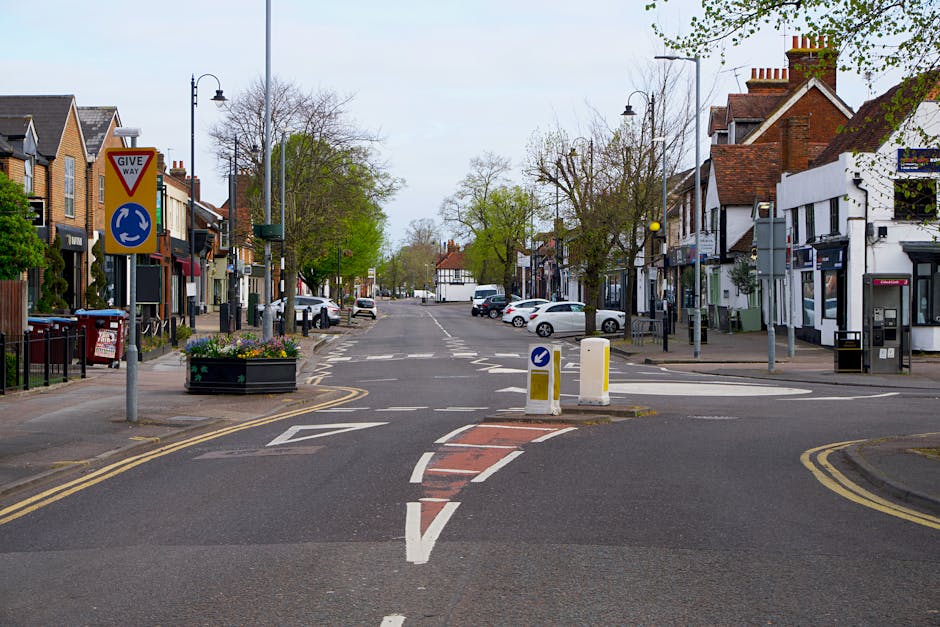
Salusbury Road rubbish collection tips for market traders
If you trade on or near Salusbury Road, you already know the rhythm: early setup, quick bursts of customer traffic, then the not-so-glamorous part at the end of the day, when boxes, wrapping, food waste, sweepings and broken-down display materials all need sorting fast. Good rubbish collection habits are not just about keeping the pitch tidy. They protect trade, reduce complaints, help you stay on the right side of local expectations, and make the whole site feel more professional. In practice, Salusbury Road rubbish collection tips for market traders are about working cleanly, planning ahead, and making waste removal one less thing to worry about.
This guide is written for real market life, not a perfect brochure version of it. You will find practical advice on how collections work, how to avoid common mistakes, what traders tend to overlook, and how to build a simple system that saves time on busy mornings and awkward pack-downs. A bit of planning goes a long way, to be fair.
For traders who also manage regular waste beyond market hours, it may help to look at related local support too, such as waste clearance in Brent, house clearance services in Brent, or broader commercial waste removal for Brent businesses. Those pages can give useful context if your stall, store room, or back-of-house area generates more than simple daily litter.
Table of Contents
- Why Salusbury Road rubbish collection tips for market traders Matters
- How Salusbury Road rubbish collection tips for market traders Works
- Key Benefits and Practical Advantages
- Who This Is For and When It Makes Sense
- Step-by-Step Guidance
- Expert Tips for Better Results
- Common Mistakes to Avoid
- Tools, Resources and Recommendations
- Law, Compliance, Standards, or Best Practice
- Options, Methods, or Comparison Table
- Case Study or Real-World Example
- Practical Checklist
- Conclusion
- Frequently Asked Questions
Why Salusbury Road rubbish collection tips for market traders Matters
Market trading is not like office waste or even standard shop waste. You are dealing with unpredictable volumes, mixed materials, tight space, and a public-facing environment where a single overfilled bag can look messy very quickly. On a busy stretch like Salusbury Road, that matters even more because traders, residents, passers-by and delivery drivers are all sharing the same area. One sloppy disposal point can affect the feel of the whole street.
There is also a commercial side to it. Cleaner pitches are easier to work from, easier to restock, and easier for customers to trust. If your stall smells faintly of soggy packaging or has loose rubbish around the base, people notice. They might not say anything. They just drift away. And that is the bit nobody likes.
Good waste handling also helps reduce trip hazards, pests, blocked access points and extra clearing time at the end of trading. For food traders, florists, clothing stalls and general market sellers alike, a straightforward rubbish plan is a quiet business advantage. It is one of those background systems that only gets noticed when it goes wrong.
If you are scaling up from casual trading to a more regular setup, it is worth understanding your waste stream properly. That means knowing what you throw away most, when it builds up, and whether it needs separate handling. For some traders, the issue is mainly cardboard and outer packaging. For others, it is wet waste, food scraps or broken display materials. Different waste, different habits. Simple, really, but easy to overlook in the rush.
How Salusbury Road rubbish collection tips for market traders Works
At a practical level, rubbish collection for market traders usually works in one of three ways: you manage waste yourself using approved bags and containers, you use a shared collection arrangement through the market or site operator, or you arrange a private collection service for larger or recurring waste volumes. The right choice depends on how much waste you generate, how quickly it builds up, and how much room you have at the stall.
Most traders do a mix. For example, you may keep a small bin or sack under the counter for immediate waste, flatten cardboard as you go, then move everything to a designated collection point at the close of trading. If food waste is involved, you may need more frequent emptying because, let's face it, nobody wants that sitting around until late afternoon in summer.
The key is consistency. Waste systems work best when they are predictable: same bags, same fold-down routine, same end-of-day handover, same backup plan if the collection is delayed. The moment a process depends on memory alone, it starts to break down. And on a live market street, it breaks down fast.
For traders with separate storage or unloading space, linked services can be useful. Some businesses combine waste planning with garage clearance in Brent or shed clearance support when they need to clear old stock, broken fixtures or packaging build-up off-site. That is not the core of day-to-day market waste, but it can make a real difference when backroom clutter starts swallowing space.
Key Benefits and Practical Advantages
There are some obvious benefits, and a few that only show up once you have run a tidy waste routine for a while. The first is speed. When you know exactly where rubbish goes, you spend less time hunting for spare bags, cutting up boxes or wondering who is taking the last full sack. That sounds minor, until you are trying to pack down with customers still nearby.
The second is presentation. Markets are visual spaces. Clean edges matter. A tidy pitch signals care, and care usually reads as quality. Customers may not describe it in those words, but they absolutely feel it. They see whether you are organised.
The third benefit is fewer avoidable problems. Bad waste habits can lead to blocked walkways, smells, missed collections, upset neighbours, or a pile-up that gets harder to control by the hour. Once waste starts accumulating, everything else feels harder too. You stop seeing the pitch clearly. You start working around the mess instead of working from a proper setup.
Here is the quieter advantage: better waste habits often improve staff morale. Nobody enjoys ending the day surrounded by loose rubbish and half-collapsed cardboard. A clean finish is a small thing, but it helps. It gives the day a proper ending.
- Cleaner pitch presentation
- Faster pack-down and reset
- Lower risk of odour and pests
- Less clutter around customers and neighbours
- Better use of limited stall space
Who This Is For and When It Makes Sense
This guidance is most useful for market traders operating on Salusbury Road or serving the surrounding area who generate regular waste during trading hours. That includes food stalls, fresh produce sellers, florists, take-away vendors, clothes traders, makers, and small independent retailers who set up temporarily or semi-permanently.
It also makes sense if you are new to market trading and still figuring out your daily workflow. Waste is one of those things that can seem secondary right up until it becomes the thing slowing you down. If you are still using trial-and-error methods, a cleaner collection routine will save you from repeated little headaches.
Established traders benefit too. Even if your setup already feels stable, there is usually room to improve the pack-down process, reduce waste volume, or make collection more predictable. In our experience, the difference between a "good enough" system and a genuinely good one often comes down to three things: how early you sort, how clearly you label, and how disciplined the close-down routine is.
It also matters if you share space with other traders. Shared waste points can be brilliant when everyone follows the same rules. They can be a mess when nobody does. So if the site feels busy or crowded, tighter collection habits become even more important.
If you are dealing with larger clear-outs as well as regular trading waste, pages like end-of-tenancy clearance support or furniture disposal in Brent may also be relevant for backroom equipment, old counters or broken fixtures that need removing safely.
Step-by-Step Guidance
A good waste routine does not need to be complicated. It needs to be repeatable. Here is a straightforward way to set one up.
1. Map your waste types before trading starts
List the main waste your stall generates. Keep it practical. For example: cardboard, plastic wrap, damaged produce, food scraps, paper receipts, broken packaging, string, or disposable gloves. Once you know the categories, you can work out what needs separate bags, what can be flattened, and what should be removed more often.
2. Place bins and bags where they help rather than hinder
A bin tucked too far under a table often becomes a nuisance. A bin too exposed can get knocked over. Think about movement paths. Where do you unwrap stock? Where do customers stand? Where does the final pile-up happen? Put collection points where your hands naturally go. That saves time and reduces mess.
3. Flatten and compress wherever possible
Cardboard is usually the biggest space thief. Flatten boxes as soon as they are empty. Compress soft packaging and tie sacks securely. The less air in your waste, the better. It sounds obvious, but traders often lose half a bag's capacity to loose packaging that could have been folded down in seconds.
4. Keep wet and dry waste apart
If you handle food, flowers, or other moisture-heavy goods, keep wet waste separate from dry recyclable material wherever possible. Mixed waste becomes heavier, smellier and harder to move. It also makes cleaning more unpleasant. Nobody wants to tug open a bag and get a little surprise splash at 7:30 in the morning. Not ideal.
5. Set a mid-day check point
Do not wait until the end of trading to discover you have run out of bag space. A quick mid-day check helps you spot overflows early, especially on busier market days. If one container is filling faster than expected, switch bags before it becomes a problem.
6. Close down with a fixed routine
End-of-day collection should follow the same order each time: clear the counter, sort reusable materials, flatten boxes, tie bags, sweep the pitch, and take waste to the designated collection point. A fixed order reduces missed items. It also helps new staff learn quickly.
7. Review what happened after each trading day
Take a moment to notice what filled up fastest. Was it packaging? Was it food waste? Was there too much leftover stock wrap? A tiny bit of review makes the next day better. Not glamorous, but very effective.
Expert Tips for Better Results
Small improvements usually have the biggest payoff. One practical tip is to use colour-coded bags or clearly marked containers for different waste streams. Even if your system is simple, visual cues make it easier for staff to follow the plan without needing to ask every time.
Another tip: keep spare sacks, ties, and a roll of heavy-duty liner bags in a dry, easy-to-reach place. If you have to go looking for them, the system is already losing momentum. Convenience matters more than people think.
Pay attention to weather too. Warm days can make food and organic waste smell faster. Wet weather can make cardboard soft and awkward. Wind can scatter light packaging if it is not secured properly. London mornings can change quickly, and Salusbury Road is no exception. A calm start can turn breezy by lunchtime.
It can also help to assign one person the final waste check, even on small stalls. Not as a heavy-handed rule, just a simple accountability step. One person checks the ground, the bins, the rear area, and the loading point. Done. That stops the common "I thought someone else had taken it" problem.
For traders with regular overflow or higher volumes, it may be worth combining market-day routines with a more structured service plan through scrap metal collection in Brent if metal fixtures or repair offcuts are involved, or general rubbish removal in Brent when waste volumes become too much for standard bags alone. Different jobs, different tools. That's the honest version.
Expert summary: the best waste system is the one that is easy to follow on a tired day, not just on a perfect one. If it feels fiddly, it will get skipped.
Common Mistakes to Avoid
The biggest mistake is letting waste build up because "it is only for a few hours." A few hours on a busy market can become a serious pile by midday. Once clutter spreads, cleaning takes longer and the stall feels less controlled.
Another common issue is mixing too many waste types together. A single bag with food scraps, cardboard and broken packaging might seem efficient, but it usually creates more work later. Sorting just a little bit at source is much easier than undoing a mixed bag at the end.
Traders also often forget that collection points need access. If sacks are stacked where trolleys, deliveries, or pedestrians need to pass, you create friction for everyone. It might seem temporary, but temporary obstructions are the ones people complain about first.
Then there is the "we'll sort it after closing" habit. Fair enough, sometimes that is unavoidable. But if every day depends on a heroic last-minute clean-up, the system is too loose. By the time you are tired, you are much more likely to cut corners.
- Waiting too long before emptying full bags
- Using weak sacks that split under weight
- Leaving cardboard unflattened
- Storing waste in walkways or customer routes
- Not assigning responsibility for final checks
- Ignoring smell, spill or pest warning signs
Tools, Resources and Recommendations
You do not need a huge kit list to manage rubbish well. A few dependable tools make most of the difference. Heavy-duty refuse sacks are a must if you carry mixed packaging or damp material. A box cutter or safety knife helps flatten cardboard without leaving rough edges. A hand brush and dustpan are essential. A small wheeled bin or crate can also be useful if you move waste from the stall to a shared collection point.
Labelled containers help more than people expect. Even a handwritten label on tough tape can keep the whole team aligned. If you trade with staff or helpers who rotate in and out, simple visual systems save time and confusion.
For larger waste movements, you may want to understand the difference between ad hoc clearance and regular service. A one-off clearance can suit seasonal clean-outs, while recurring collection may fit traders with steady daily volumes. If you are not sure which applies, start by tracking how much rubbish you generate over three or four trading sessions. That gives you a better basis for decision-making than guesswork.
Useful related pages include office clearance in Brent for traders with admin backlogs or storage rooms attached to a unit, and loft clearance support if you are dealing with stock overflow or old equipment held above ground level. A lot of small businesses use more spaces than they think.
| Tool or resource | What it helps with | Best for |
|---|---|---|
| Heavy-duty sacks | Preventing splits and leaks | General trading waste, food packaging |
| Flat-pack cardboard cutter | Breaking down boxes safely | Retail and produce stalls |
| Hand brush and dustpan | Quick pitch clean-up | Every trader, really |
| Marked bins or crates | Sorting waste by type | Shared stalls and staffed pitches |
| Wheelable container | Moving waste to the collection point | Larger or heavier waste loads |
Law, Compliance, Standards, or Best Practice
Waste handling in the UK is shaped by a mix of legal duties, local rules and practical site requirements. The exact rules that apply to a market trader can depend on the market operator, the type of waste, and whether you are dealing with commercial waste, recyclable material, food waste or hazardous items. Because of that, it is sensible to check local expectations rather than assume one generic rule fits all.
As a trader, you should be careful about how waste is stored, moved and presented for collection. Bags should be secure. Waste should not create hazards or block access. Food-related waste should be managed in a way that reduces odour and contamination. If you handle anything unusual, such as sharps, chemicals, oils or damaged electrical items, stop and get specific advice rather than guessing.
Best practice usually means three things: keep waste contained, keep routes clear, and keep records or receipts where relevant. That last one matters more for businesses than many people expect. It helps if there is ever a question about where waste went, when it was removed, or what type of collection was used.
It is also wise to use reputable services and to ask clear questions before booking. For example: how often is collection available, what materials are accepted, and what happens if a load contains mixed items? No drama, just sensible due diligence. If a provider sounds vague, that is usually a sign to keep looking.
If you need wider local support, the service pages for warehouse clearance in Brent and construction waste removal in Brent can be helpful references for understanding how larger or mixed waste streams are handled professionally. Market traders do not always fit neatly into one box, and that is fine.
Options, Methods, or Comparison Table
There is no single "best" way to handle market rubbish. The right method depends on your volume, waste type, and operating style. Here is a simple comparison that may help.
| Method | Best for | Strengths | Trade-offs |
|---|---|---|---|
| Self-managed bags and bins | Low to moderate daily waste | Flexible, low setup, easy to start | Needs discipline and space |
| Shared market collection point | Traders on organised sites | Convenient, centralised, familiar | Can become crowded or messy if misused |
| Regular private collection | Higher-volume traders | Predictable, scalable, less manual handling | Needs planning and may cost more |
| Occasional clearance service | Seasonal stock or one-off clear-outs | Good for bulk items and reset days | Not ideal for everyday waste |
If you are unsure, start small and measure. A lot of traders discover after a few weeks that they need a better system than expected. Others realise that a simple shared collection point is enough. Truth be told, the right answer is usually based on how much waste you make, not what sounds most sophisticated.
Case Study or Real-World Example
Imagine a small food trader setting up on Salusbury Road for a regular weekend slot. On the first few Saturdays, everything seems manageable. The trader keeps a bin under the table, but by midday the bag is full, the cardboard is stacking up behind the stall, and a couple of wet scraps are starting to smell in the sun. Nothing dramatic. Just annoying. Then the pack-down takes twice as long as expected.
After that, the trader changes the routine. Cardboard is flattened immediately. One small bag handles dry waste during service. Wet waste is kept separate. A mid-session check happens at lunch. By the end of the day, there is less to carry, fewer loose items underfoot, and the stall is quicker to clear. Customers still see a working market stall, but not a messy one. That change does more for the business than it sounds like it should.
The difference is not magic. It is just a better system. A one-line improvement, repeated every trading day, can save a lot of hassle over a month. And if you have ever tried to close up with damp boxes blowing about in the corner, you will know exactly what I mean.
Practical Checklist
Use this as a simple pre-close and post-close waste check for your stall.
- Have all waste categories been separated where possible?
- Are cardboard and packaging flattened before collection?
- Are all bags tied securely and not overfilled?
- Is any wet waste sealed to limit smell and leakage?
- Are bins and sacks kept out of customer walkways?
- Have all loose items been swept from the pitch?
- Are collection points still accessible for removal?
- Do staff know who is responsible for the final waste check?
- Have any unusual items been separated for specific handling?
- Have you noted anything that could be improved next time?
Quick takeaway: if your rubbish routine is simple enough to follow when you are busy, it will probably work when you are not. That is the real test.
Conclusion
Good waste handling is one of those behind-the-scenes habits that quietly supports everything else. When traders on or around Salusbury Road treat rubbish collection as part of the trading process, not an afterthought, the stall looks better, runs smoother and feels easier to manage. That is especially true in busy local settings where space is tight and people notice the little things.
The best approach is usually the most practical one: know your waste, flatten what you can, keep wet and dry materials apart, and build a repeatable close-down routine. Add in a few sensible tools, a bit of accountability, and a regular review of what is filling up fastest, and you have a system that works without becoming a chore.
If you want to tighten up your approach further, start by checking your current waste flow and comparing it with the options that make the most sense for your trading pattern. A little improvement here can make the whole day feel less rushed. And that, on a busy market street, is no small thing.
Get a free quote today and see how much you can save.
Sometimes the cleanest stalls are not the luckiest ones. They are just the best prepared.
Frequently Asked Questions
What is the best rubbish collection setup for market traders on Salusbury Road?
The best setup depends on how much waste you generate and what kind it is. Many traders do well with a simple mix of labelled bags, a compact bin, flattened cardboard, and a clear end-of-day collection routine. Higher-volume traders may need a regular collection service.
How often should a market trader empty waste bags during the day?
There is no universal rule, but you should empty bags before they become overfull or awkward to handle. For food traders and busy stalls, a mid-day check is usually wise. If bags are bulging early, they need changing sooner.
Can I mix cardboard, plastic wrap and food waste together?
You can, but it is usually a poor idea. Mixed waste is heavier, messier and harder to handle. Separating waste where practical makes collection easier and keeps the stall tidier.
What should I do with wet or smelly waste from my stall?
Keep it sealed, separate from dry material if possible, and remove it as soon as you reasonably can. Wet waste can become unpleasant quickly, especially in warmer weather, so don't leave it sitting around longer than necessary.
Do market traders need special bins or sacks?
Not always, but heavy-duty sacks and sturdy containers are often worth it. Standard bags can split under mixed trade waste. A small investment in proper materials usually saves time and mess later.
How can I reduce rubbish on a market stall?
Flatten packaging as soon as it is opened, buy stock with less unnecessary wrapping where possible, use reusable display items, and keep a small waste audit for a few trading days. It often becomes clear where most of the rubbish is coming from.
What is the biggest waste mistake traders make?
The most common mistake is waiting too long to deal with waste. Once rubbish starts spreading across the pitch, cleanup takes longer and the stall can look untidy very quickly.
How do I know whether I need a one-off clearance or regular collection?
If your waste is mostly daily packaging and small bags, regular handling may be enough. If you have bulky stock, broken fixtures or seasonal build-up, a one-off clearance may make more sense. Tracking waste over a few trading days usually gives the clearest answer.
Is there a difference between market waste and normal business waste?
Yes, in practice there often is. Market waste tends to be more compressed into short time windows, more visible to the public, and more varied in material type. That means your handling system usually needs to be tighter and more flexible than an ordinary office setup.
What should I ask a waste provider before booking?
Ask what waste they accept, how often they collect, how they handle mixed loads, whether they can support recurring waste, and what preparation they expect from you. Clear answers up front save a lot of friction later.
How do I keep rubbish from affecting customers?
Keep bins out of view where possible, empty waste before it overflows, and avoid staging sacks near the customer side of the pitch. Small presentation details matter. People notice cleanliness faster than most traders realise.
What if my stall is too small for separate waste bins?
Use compact, clearly marked containers and empty them more frequently. Even in a tight space, a simple system usually works better than no system at all. A few disciplined habits can save a surprising amount of room.
Can I use other Brent service pages to help with bigger clear-outs?
Yes. If you need support for bulk items, backroom storage, or occasional off-site clean-ups, related pages like flat clearance in Brent and bagged-up rubbish removal in Brent can be useful starting points for understanding what service fits the job.