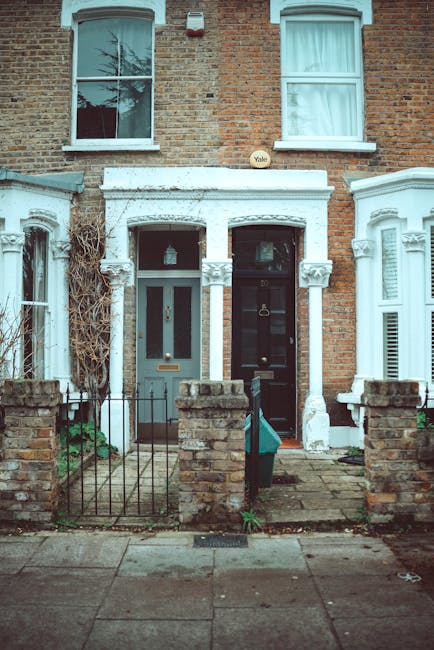
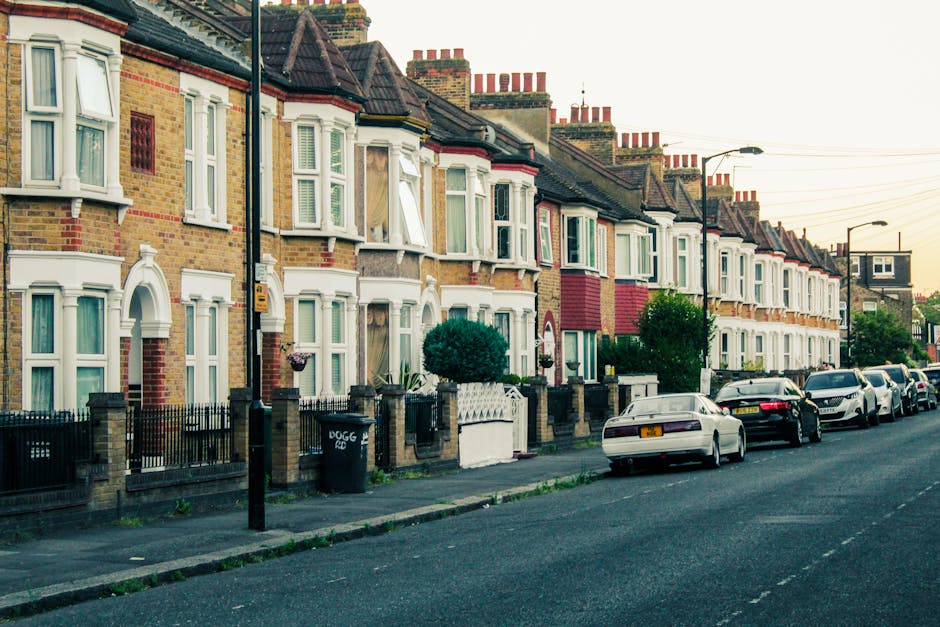
Victorian terrace rubbish clearance case NW6 before and after
If you have ever walked into a Victorian terrace and thought, where on earth do we start?, you are not alone. A Victorian terrace rubbish clearance case NW6 before and after usually involves more than just a few bin bags. It can mean tight hallways, cellar clutter, old furniture, builders' debris, forgotten loft items, and the kind of awkward access that makes every job feel a bit more complicated than it should be.
This guide breaks down what a before-and-after clearance looks like in a real NW6 terrace, why the transformation matters, how the process typically works, and what to watch out for if you are planning one yourself. You will also find practical tips, a comparison table, a checklist, and answers to the questions people actually ask when they are facing a full-house tidy-up. Truth be told, a good clearance is as much about judgement as muscle.
Why Victorian terrace rubbish clearance case NW6 before and after Matters
The before-and-after story matters because it shows the real value of clearance, not just the final neat room. In NW6, many Victorian terraces have narrow stairs, small front rooms, rear extensions, and limited outside storage. That means clutter builds up quietly. A spare armchair becomes two. Then a broken wardrobe. Then paint tins, loft boxes, old carpet, and suddenly the house feels heavier somehow.
The transformation is about more than appearance. A proper clearance can improve access, reduce trip hazards, uncover damage that was hidden under piles of stuff, and make decorating, renting, selling, or simply living in the property much easier. In practical terms, it turns a stressful, obstructed space into something you can work with again.
It also helps the owner or tenant make better decisions. Once a room is cleared, you can actually see what needs repairing, what can be reused, what should be recycled, and what belongs in furniture disposal rather than general waste. That clarity is worth a lot. Especially in a terrace where every square metre counts.
Key point: The "before and after" is not just visual. It is functional. Good rubbish clearance restores access, safety, and usable space.
How Victorian terrace rubbish clearance case NW6 before and after Works
A Victorian terrace clearance usually begins with a walk-through and a sensible plan. The property may look overwhelming at first, but once items are grouped by type and access route, the job becomes manageable. Old soft furnishings, mixed household waste, broken storage, and loft or cellar contents are often dealt with in stages rather than all at once.
Typically, the process starts with sorting. Items are separated into reusable, recyclable, and general waste categories where possible. That is not just tidy thinking; it often improves efficiency and reduces what ends up in the skip or van. Then the team clears items from the most awkward parts of the house first, usually the loft, cellar, landing, or rear room, because these are the places where bottlenecks happen.
In a terrace, access matters a lot. Door widths, stair turns, parking space, and whether items can be carried through the front or rear all affect the method. A clearance team should work carefully to avoid scuffing plaster, chipping banisters, or damaging floors. Victorian homes can be sturdy, but they are not always forgiving. You know the type: the hallway is just wide enough, until it suddenly isn't.
After the removal, the "after" stage is about presenting the cleared space properly. That means sweeping through, checking corners, and making sure no small debris is left behind. If the property is being prepared for sale or refurbishment, the final impression matters almost as much as the removal itself.
Key Benefits and Practical Advantages
The most obvious benefit is space. A cleared Victorian terrace simply feels bigger, calmer, and easier to use. But the real advantages go a bit deeper than that.
- Safer movement through the house: fewer hazards on stairs, landings, and in narrow corridors.
- Better planning for repairs: once clutter is gone, you can see damp patches, cracked plaster, or damaged flooring.
- Quicker renovation work: decorators, builders, and electricians can start without being boxed in by rubbish.
- Reduced stress: people often underestimate how mentally draining a crowded home can feel.
- More usable storage: clear lofts, cellars, and spare rooms become genuinely useful again.
- Improved presentation: useful if the property is being sold, let, or handed back after a tenancy.
There is also a less obvious benefit: decision-making gets easier. When a room is hidden by clutter, it is hard to judge what should stay and what should go. After clearance, the house tells the truth. Sometimes that is a relief, sometimes a bit confronting. Either way, it helps.
For larger or repeated clearances, it can be worth looking at broader service options such as house clearance or waste removal, depending on whether you need a full property reset or just a load of mixed rubbish taken away.
Who This Is For and When It Makes Sense
This kind of clearance is not only for major house moves. In NW6, it often suits homeowners, landlords, tenants, executors, property managers, and anyone dealing with an older terrace that has accumulated years of "I'll deal with that later" items. Let's face it, later has a nasty habit of arriving all at once.
It makes particular sense when:
- a property is being sold and needs to look presentable;
- a rental is being turned around between tenancies;
- there has been a bereavement and the house needs respectful sorting;
- renovation work is about to begin;
- the loft, cellar, or spare rooms have become unusable;
- furniture or appliances are too bulky to move safely without help.
It can also be the right move if you are only tackling one area at a time. A lot of people start with one room and then realise the rest of the house is telling the same story. That is normal. Victorian terraces have a way of collecting history in corners.
If the clutter is concentrated in upper storage, loft clearance can be a sensible, focused option. If the issue is mainly old seating, tables, or wardrobes, furniture clearance and furniture disposal may fit better.
Step-by-Step Guidance
A good before-and-after result is usually the product of a calm, well-ordered process. Here is a practical way to think about it.
- Survey the property properly. Walk through every affected room, including loft, cellar, rear outrigger spaces, and any garden spillover.
- Identify access challenges. Note narrow stairs, low lighting, parking constraints, and whether items need to pass through a front bay or side return.
- Separate the obvious keeps. Put aside paperwork, photographs, valuables, medicines, and anything the owner wants to review first.
- Group bulky items. Sofas, beds, wardrobes, and broken storage often need handling early because they take up the most room.
- Sort waste into practical streams. Reusable, recyclable, and general waste should be treated differently wherever possible.
- Remove items in the safest order. Usually this means top floors and tight spaces first, then main rooms, then the final sweep.
- Check the cleared areas. Look behind doors, under stairs, inside cupboards, and along skirting boards for leftover bits.
- Finish with a clean handover. A decent clearance should leave the property ready for the next task, not just visibly emptier.
A small but useful detail: if there is builders' waste mixed in with domestic rubbish, do not assume it can be handled the same way. Mixed loads often need a bit of extra sorting. In many NW6 terrace jobs, the difference between a smooth clearance and a messy one is simply who does that sorting and when.
Expert Tips for Better Results
In our experience, the best clearances are the ones where someone has made a few simple decisions before the team arrives. Not fancy, just sensible.
- Photograph each room first. It helps you remember what was there and creates a useful before-and-after record.
- Keep one "decision box". Put ambiguous items in it so they do not slow down the job.
- Clear the easiest path first. A free hallway can make the whole house feel less chaotic almost immediately.
- Protect surfaces where needed. Cardboard, covers, or careful lifting can help on old timber floors and painted stairs.
- Separate sentimental items early. This is the bit that often slows people down. And fair enough.
- Check the loft and under-stairs spaces twice. Small items love hiding there.
Another practical tip: if you are trying to reduce waste volume, dismantle furniture only where it is safe to do so. A wardrobe that comes apart neatly is easier to move than one that is forced. But if it is wobbly, warped, or full of awkward fixings, leave it alone. Nobody wins by making a simple task harder.
Also, try to schedule clearance before other trades arrive. Once decorators or builders are on site, clutter has a habit of getting in everyone's way, and tempers do not improve with more obstacles. Morning light helps too; you notice hidden corners and dust far better than under a tired hallway bulb at 5pm.
Common Mistakes to Avoid
Most clearance problems are avoidable. The trouble is, they tend to show up only after the job has started. A classic one is underestimating how much stuff is actually there. Victorian terraces can hold more than people think, especially in lofts, cellar cupboards, and the dead space under stairs.
Other common mistakes include:
- Not planning for access. A large item may fit the room but not the staircase turn.
- Mixing keep and remove piles. Once they merge, sorting becomes slow and frustrating.
- Ignoring fragile surfaces. Old plaster, original floorboards, and narrow bannisters can mark easily.
- Leaving recycling to the end. By then, people are tired and more likely to make a rushed decision.
- Forgetting parking and loading space. In NW6, this can really slow things down.
- Assuming everything is general waste. It is not. A decent plan should reflect that.
One more, and it sounds obvious but happens a lot: do not wait until the property is already chaotic enough to make a decision. The earlier you sort it out, the less stressful the day feels. That's the honest version.
Tools, Resources and Recommendations
You do not need a van full of kit to prepare for a terrace clearance, but a few tools and habits make life easier.
- strong bin bags or rubble sacks for loose waste
- tape and labels for keep, remove, and review piles
- gloves with decent grip
- a torch for lofts, cellars, and dark cupboards
- a dustpan and brush for the final tidy-up
- measuring tape if bulky furniture may need dismantling
On the service side, it helps to choose a provider that explains what happens to different waste streams, how access is managed, and what happens if items are mixed or unusually heavy. Pages such as recycling and sustainability and pricing and quotes can also help you understand the approach and what information to have ready before booking.
If the job includes more than household clutter, you may also need support for builders' waste clearance or, where relevant, garage clearance and garden clearance. Terrace properties often spill beyond one room, don't they.
Law, Compliance, Standards, or Best Practice
For rubbish clearance in the UK, the key point is simple: waste should be handled responsibly and passed to an appropriate route for disposal or recycling. Good practice matters here because homeowners, landlords, and clearance operators all have a role in making sure waste is not fly-tipped or handled carelessly.
If you are arranging clearance, it is sensible to ask how items will be separated, what happens to reusable goods, and how the team handles any hazardous or awkward materials. Paint, chemicals, sharp objects, and electrical items need extra care. A trustworthy service should be careful about these things and should not give vague answers.
It is also worth checking practical protections such as insurance and safety and the company's health and safety policy. Those pages are useful because clearance work can involve stairs, heavy lifting, old fixtures, and tight access. In a Victorian terrace, the risks are often small but real: a slipped box, a cracked step, a scraped wall. Nothing dramatic, thankfully, but enough to matter.
For customers who want reassurance around service terms and operational details, terms and conditions and the company's about us page can help set expectations. That is not glamorous reading, admittedly, but it does support trust.
Options, Methods, or Comparison Table
There is more than one way to handle a Victorian terrace clearance. The right choice depends on how much there is, how quickly you need it done, and how much lifting you want to do yourself.
| Method | Best for | Pros | Limitations |
|---|---|---|---|
| DIY clearance | Small, manageable loads and plenty of time | Lower direct cost, full control over sorting | Time-consuming, physically demanding, disposal planning can be awkward |
| Partial assisted clearance | One or two rooms, bulky items, or a loft/cellar focus | Less lifting, quicker turnaround, flexible | May still require some prep and sorting by the homeowner |
| Full house clearance | Large, cluttered terraces or time-sensitive moves | Fastest route to a clean reset, less stress, better for complex access | Usually the most involved option overall |
If you are clearing a terrace that has been occupied for years, a full clearance is often the cleanest answer. If the issue is concentrated in one zone, a targeted approach may be enough. There is no prize for doing more than you need to. Well, apart from extra exhaustion, which nobody wants.
Case Study or Real-World Example
Here is a simple real-world style example based on the sort of work often seen in NW6 terraces.
A two-storey Victorian terrace had accumulated clutter after a long period of family use and a half-finished redecoration. The front room held old furniture and bags of miscellaneous items. The rear room had damaged shelving, loose cardboard, and a pile of mixed household waste. The loft contained boxed storage, broken suitcases, and a few heavier items that had been left for "later".
Before the clearance, the hallway was difficult to use, the stairs were partly blocked, and the property felt smaller than it really was. After sorting, removing bulky furniture, and clearing the loft and main rooms in stages, the house felt dramatically different. The hallway opened up. Natural light reached the back room again. The owner could finally judge what repair work was needed and what could wait.
The useful lesson was not that the house suddenly became perfect. It didn't. But the clearance made the next decisions possible. That is often the real win. Once the clutter is gone, the house stops shouting and starts cooperating a bit more.
In cases like that, many people also choose to review home clearance options if the work extends beyond one room, especially where household items, furnishings, and general waste all overlap.
Practical Checklist
Use this checklist if you are preparing a Victorian terrace rubbish clearance in NW6.
- Walk through every affected room and storage space
- Mark items to keep, review, recycle, or remove
- Clear a safe path through the hallway and stairs
- Identify any fragile floors, walls, or fixtures
- Check loft, cellar, under-stairs, and rear outbuildings
- Separate hazardous or awkward materials
- Confirm parking and access arrangements
- Decide whether you need house, loft, furniture, or waste removal support
- Keep valuables and documents in a separate place
- Do a final sweep for small items before handover
If you want to keep your planning tidy, it helps to think in layers: first access, then sorting, then lifting, then the final sweep. Simple. Not always easy, but simple.
Conclusion
A Victorian terrace rubbish clearance case NW6 before and after is really about restoring a house to itself. Before, the space can feel blocked, tiring, and hard to read. After, it becomes safer, clearer, and ready for the next step, whether that is renovation, renting, selling, or just living a bit more lightly.
The best results come from careful planning, realistic expectations, and a clearance method that suits the property rather than fighting it. Victorian terraces have charm, but they also have narrow stairs, tight storage, and plenty of hidden corners. Respect those quirks, and the job goes much more smoothly.
Get a free quote today and see how much you can save.
Sometimes all a house needs is a proper first pass and a fresh pair of hands. After that, it starts breathing again.
Frequently Asked Questions
What does a Victorian terrace rubbish clearance before and after usually include?
It usually includes removal of general household rubbish, bulky furniture, loft or cellar contents, and any mixed items that are making the property hard to use. The "after" stage should leave the home visibly clearer and easier to move around in.
How long does a terrace clearance in NW6 normally take?
It depends on volume, access, and how sorted the items are before the team arrives. A small job may take only part of a day, while a heavily cluttered property can take longer. Narrow staircases and parking constraints can also affect timing.
Can furniture and rubbish be cleared in the same visit?
Yes, in many cases they can. That said, bulky furniture and mixed waste may need different handling, so it helps to mention everything up front. That way the clearance plan is realistic from the start.
Is loft clearance different from general house clearance?
Often, yes. Loft work can involve awkward access, insulation, low headroom, and items that have been stored for years. If most of the mess is upstairs, a focused loft clearance can be the better fit.
Do I need to sort everything before the clearance team arrives?
No, not everything. But it helps to separate obvious keeps from obvious removes. A small "review later" pile can also save time. The more you decide in advance, the smoother the day usually feels.
What should I do with old furniture that is too big to move?
That is exactly where a furniture-focused service helps. If the item is in decent condition, it may be suitable for reuse or separate handling. If it is damaged, furniture disposal is often the cleaner route.
Are there extra risks in Victorian terraces?
Yes, mainly from narrow stairs, original fixtures, older floors, and tight access. They are lovely homes, but they do demand care. A good team will plan around those features rather than rushing through them.
What if the property has a mix of household waste and builders' debris?
That happens quite often during refurbishments. Mixed loads should be assessed carefully so the right removal method can be used. In some cases, builders' waste clearance is the better match.
How do I know if I need a full house clearance or just rubbish removal?
If the clutter is spread across multiple rooms, access routes, or storage areas, a fuller service is usually easier. If it is mostly bags, loose items, or one concentrated pile, waste removal may be enough.
What should I ask before booking a clearance service?
Ask about access, item types, sorting approach, safety, insurance, and what happens to recyclable or reusable goods. It is also sensible to look at payment and security so you understand how booking and payment are handled.
Can a clearance help prepare a property for sale or letting?
Absolutely. A cleared terrace photographs better, shows its space properly, and makes it easier for buyers or tenants to imagine living there. That visual shift can make a surprisingly big difference.
Why is recycling worth asking about?
Because a responsible clearance is not just about taking things away. It is also about handling them well. A provider who explains its recycling and sustainability approach is usually thinking beyond the immediate job.
Who can I contact if I want to discuss a tricky property?
If the job involves difficult access, unusual items, or a large amount of clutter, it is best to discuss the details directly through the company's contact page. A short conversation can save a lot of back-and-forth later.